
Maintaining a healthy and visually appealing lawn is more complex than mowing grass. Across West Chester, PA, property owners face recurring challenges such as uneven grading, poor drainage, pest damage, and hardscape wear. Addressing these issues requires experience, planning, and attention to detail. By analyzing real-life cases from residential and commercial properties, we can identify practical solutions that prevent common pitfalls and improve long-term property value.
Common Landscape Challenges
Property owners frequently encounter several recurring problems in lawn and landscape maintenance:
- Uneven Grading and Drainage Issues: Low spots cause water pooling, leading to grass damage and soil erosion.
- Weed and Pest Infestations: Uncontrolled weeds and insects compete with desirable plants and weaken turf.
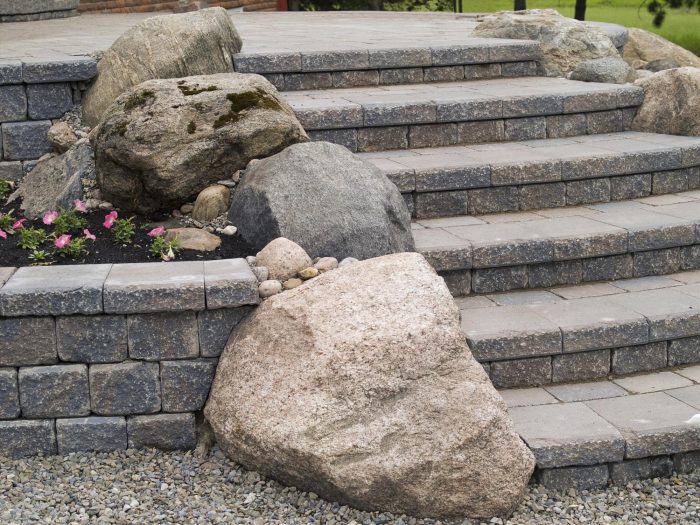
- Hardscape Wear: Patios, walkways, and retaining walls deteriorate without proper installation or maintenance.
- Tree and Shrub Health: Neglected pruning, disease, or poor soil conditions can compromise the appearance and safety of trees.
These challenges often result from a lack of preventive measures or inconsistent maintenance schedules. By addressing these factors systematically, property owners can improve both aesthetics and functional value.
Case Study: Resolving a Complex Residential Landscape
A residential property in Lower Merion presented several simultaneous issues: patchy lawn growth, water accumulation in the backyard, and a deteriorating patio. The property owners wanted a long-term solution rather than temporary fixes.
Step 1: Assessment
The first step involved a thorough evaluation of the lawn, drainage patterns, soil conditions, and hardscape integrity. Mapping low spots and identifying pest-prone areas helped prioritize solutions.
Step 2: Lawn Rehabilitation
- Aeration to reduce soil compaction
- Overseeding and sod installation for uniform growth
- Targeted fertilization and shrub treatments for long-term health
Step 3: Drainage Solutions
- Regrading low areas to prevent water pooling
- Installing discreet drainage channels to redirect runoff
- Adding mulch and edging to protect garden beds
Step 4: Hardscape Repair and Improvement
- Re-leveling the patio and walkways to eliminate cracks
- Installing new retaining walls to manage elevation changes
- Adding landscape lighting to enhance safety and usability
Lessons from the Case Study
This example highlights the value of a comprehensive, structured approach:
- Planning First: Understanding the property’s unique needs ensures solutions are effective and sustainable.
- Address Multiple Factors Simultaneously: Tackling only one problem often leads to recurring issues.
- Professional Oversight: Experienced guidance ensures installation quality and prevents costly mistakes.
- Preventive Care: Ongoing maintenance protects long-term investment in both landscape and hardscape features.
Key Takeaways for Property Owners
Even without professional involvement, understanding the following principles can improve landscape outcomes:
- Regularly inspect lawns, shrubs, and trees for early signs of stress or disease.
- Maintain proper grading and drainage to prevent water damage.
- Schedule periodic fertilization, pruning, and aeration to support healthy growth.
- Inspect patios, walkways, and retaining walls to catch deterioration early.
- Consider lighting not only for aesthetics but also safety and usability after dark.
Closing Thoughts
Managing a property’s landscape requires more than basic maintenance. By evaluating problems systematically and addressing them comprehensively, homeowners and commercial property owners can avoid common pitfalls and ensure healthy, attractive outdoor spaces. Real-life examples show that combining careful planning, skilled execution, and preventive maintenance creates long-lasting results, improving both property value and usability.